 Le Nouveau Théâtre espagnol (1967-1978) Histoire d'une résistance politique, culturelle et esthétique sous le franquisme tardif


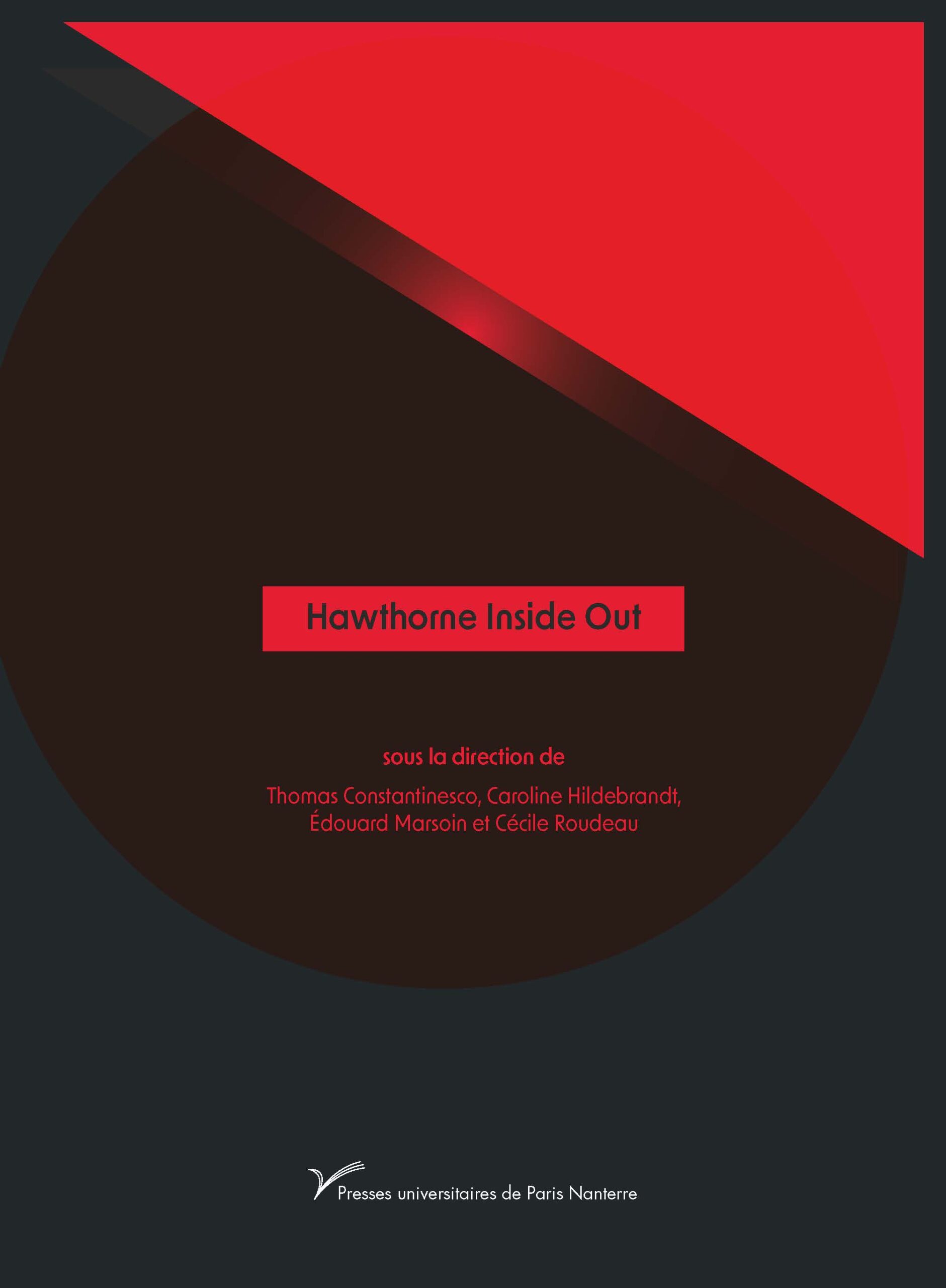
Hawthorne Inside Out
14,00 €
- Thomas Constantinesco, Caroline Hildebrandt, Édouard Marsoin et Cécile Roudeau (dir.)
- Langue : anglais et français
- 228 pages
- ISBN : 978-284016-614-6
- Date de parution : décembre 2025
14 en stock
Hawthorne’s oeuvre has long frustrated interpretative soundings, from Herman Melville to Henry James to Susan Howe. Dismissing interpretation altogether, however, might lead into another trap, that of overlooking the sometimes unpalatable political implications of his writings. Hawthorne Inside Out takes up this challenge and deploys the tools of critique while remaining mindful of the texts’ resistance to interpretation. In particular, the volume aims at complicating the expectations of hermeneutics, especially the dialectics of surface and depth, and that of inside and outside, attached to it. Situating Hawthorne’s short fiction in its epistemological, political, and religious context, the volume also reads the tales from the standpoint of “our” present traversed with democratic distrust and eco-anxiety; listening to the rustle of his language, to the sounds, echoes, and murmurs that electrify his prose, from potent inward voices to uncanny peals of laughter to ominous murmurs across revolutionary throngs; in sum, reading him close, reading him deep, and always, it is our hope, to the letter.
Introduction – “[F]rom the inmost heart outwardly”: Hawthorne Exposed
Thomas Constantinesco, Caroline Hildebrandt, Édouard Marsoin, and Cécile Roudeau
Preamble
Hawthorne transcendentaliste ?
François Specq
I. Gender Dynamics
Nathaniel Hawthorne, Margaret Fuller, and the Anxieties of (Re)production
Alice de Galzain
“Poison Was Her Element of Life”: The Making of Difference in “Rappaccini’s Daughter”
Anna Shmatenko
II. The Aesthetics of Politics
« Let us hear which will laugh loudest » : Le rire et l’histoire dans les Tales de Nathaniel Hawthorne
Pauline Pilote
Hawthorne’s Throngs
Danielle Follett
Interlude
Hawthorne séculier ?
Caroline Hildebrandt
III. Eco-readings
Domestic Ecologies and the Art of Short Fiction: Hawthorne’s and Melville’s Manses and Mosses
Michael Jonik
The Afterlife of Prophecy: Reading “The Great Stone Face” in the Anthropocene
Antoine Traisnel
IV. Echo-readings
Church Bells in the Forest: Sound and Genre in “Young Goodman Brown” and “The May-Pole of Merry Mount”
Jamie Fenton
Voice, Logos and Community in “The Gentle Boy”
Florent Dubois
Interlude
Hawthorne Moralist?
Mark Niemeyer
V. On Inscription
Allegory, Beauty, and Gender in “Rappaccini’s Daughter”
Richard Anker
Nathaniel Hawthorne et Susan Howe : de « The Birthmark » à The Birth-mark, enjeux scripturaires de la marque
Antoine Cazé
Coda
Looking for the Letter
Shirley Samuels
Contributors
Informations complémentaires
| Dimensions | 17 × 23 cm |
|---|