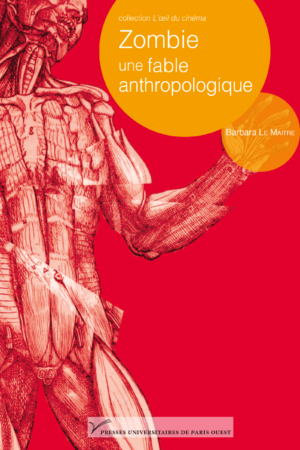
 Zombie, une fable anthropologique


What we hear, what we see in Kes
- Flore Coulouma et Cornelius Crowley (dir.)
- Langues : français et anglais
- Date de publication : 11 septembre 2024
- Ouvrage numérique disponible sur OpenEdition Books
Ken Loach’s film Kes (1969) is etched into a particular time, the late 1960s, not however the “swinging sixties” London. On screen here is a different place, farther north, a Yorkshire mining village, on the surface manifestly stable, ruled by the routine of habit and necessity, with little to suggest the imminence of the industrial action of the early seventies or the defeat and dislocation of the 1980s and after.
The following essays take in, from a variety of angles and approaches, what is shown and made audible in the film: a community of women, men, children, their lives woven into, both propped up and confined by, the institutional nexus of component places, home, workplace, school, public house, and component times, early morning, Friday night. What animates Ken Loach’s picture of a mining community are the tensions evident in the sights and sounds through which the modest story of Billy Casper is conveyed, a story affording access to the lives of people as they play out, in occasional and sometimes irreversible conflict with other lives.
This collection of essays is part of the ongoing “Les Nords” project of the CREA, EA 370, on the interdependency between places and voices, and the social, cultural and linguistic geographies that enlighten the many guises of northern identities in the English-speaking world.
Cornelius Crowley
Thierry M. Labica
Susannah O’Carroll
Kes, tout un monde en trois scènes : « Un samedi soir, de la maison au social club »
Anne-Lise Marin-Lamellet
“‘Course he’s me brother, we live in the same ’ouse!”: Sibling Rivalry in Kes
Cécile Bazin
Marion Leclair et Edward Lee-Six
Fictionalising mining-town childhoods in postwar Britain: Hines, Loach, Douglas